
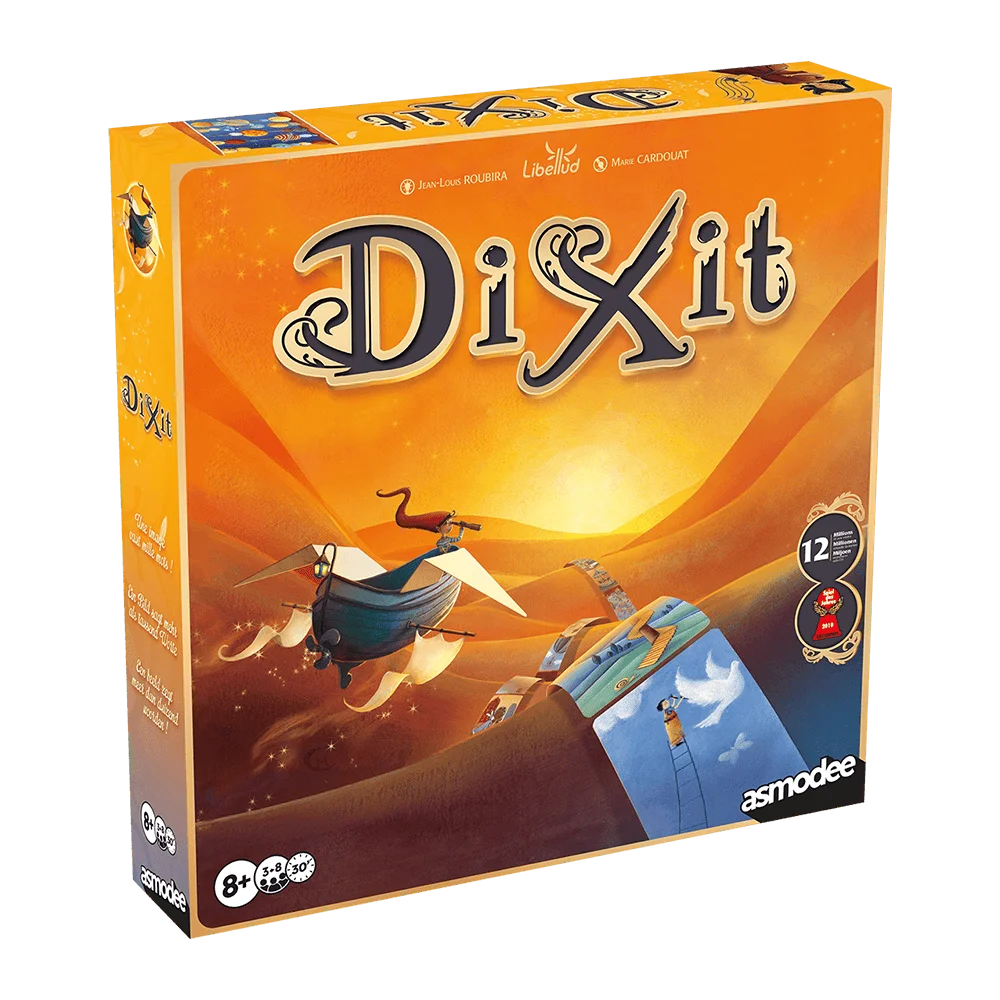

Dixit
Dixit engages creativity, social perspective-taking, and language through evocative illustrated cards.
Presentation
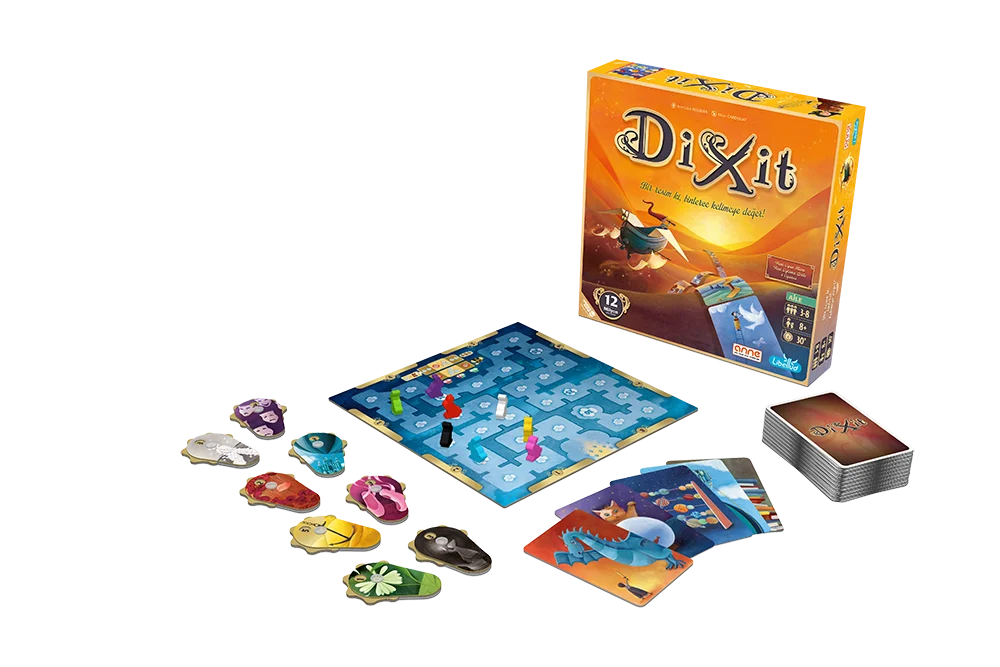
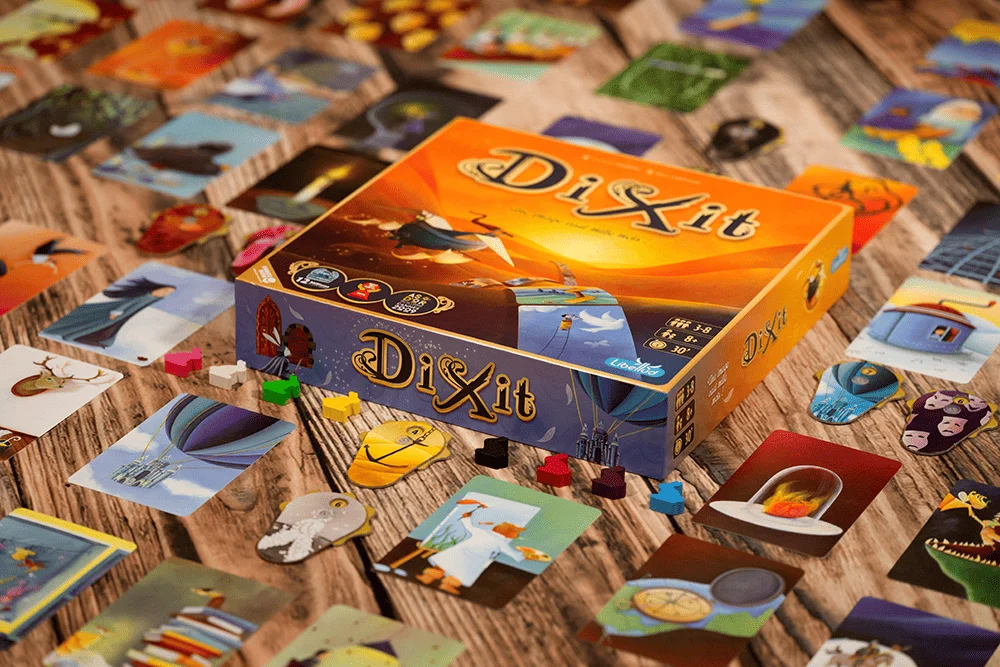
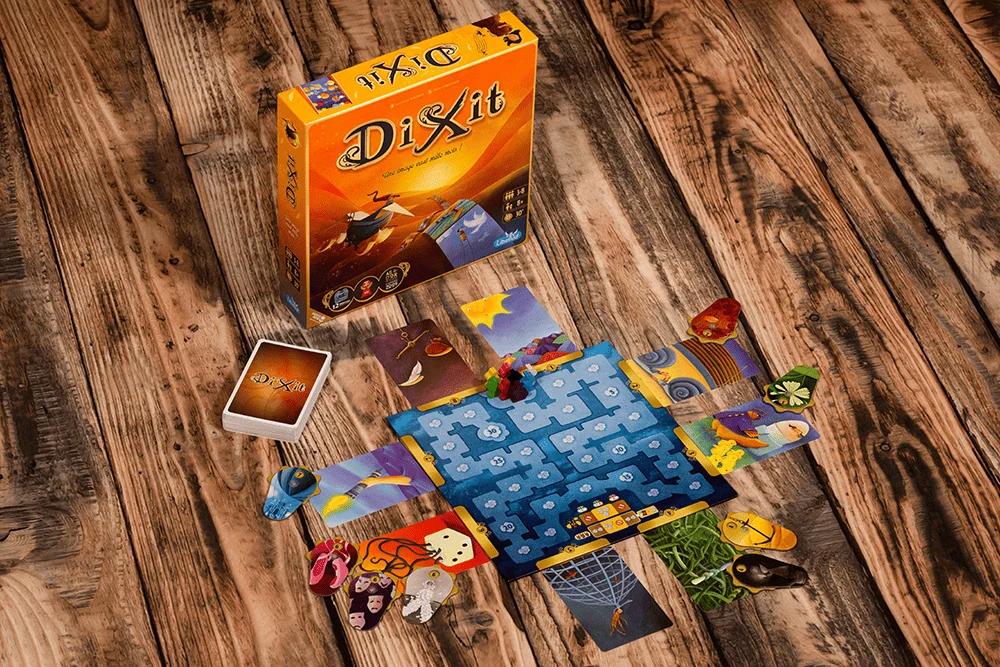
Dixit is an imaginative game of storytelling and interpretation. Each turn, one player becomes the storyteller and gives a clue inspired by one of their illustrated cards. The other players choose a card that could also match the clue, then everyone tries to identify the storyteller’s card. The challenge is to give a clue that is neither too obvious nor too difficult.
Game Guides
Coming soon
Discover our recommendations, facilitation tips and alternative ways to play to encourage creative expression and help everyone enjoy Dixit!

Accessibility features
- Flexible communication: Clues can take many forms: a word, a sentence, a reference to a song or film, an onomatopoeia, and can even be sung or mimed. This gives players different ways to express an idea according to their abilities and inspiration.
- Image-based gameplay: The 84 cards communicate through detailed illustrations rather than written information. Players can enjoy the game without needing to be able to read or understand written text.
- Colourblind friendly: Game information does not rely on color alone, helping players distinguish key elements.
- No time pressure: Players can observe, think and act at their own pace.
Skills engaged
Dixit’s gameplay demands to create connections between ambiguous illustrations and ideas, emotions or memories, while also considering how other players may interpret the same image. This helps engage:
- Creativity: Players create original clues by connecting illustrations with abstract concepts. Creativity allows them to explore different interpretations of symbolic and surreal imagery.
- Communication, oral expression and listening: Players express their clue using words, songs, sounds or gestures. Communication and oral skills allow them to convey ideas, while listening helps them understand the clues shared by others.
- Theory of mind and perspective-taking: Players consider how others might interpret their clues, balancing between being too obvious and too obscure. Perspective-taking allows them to understand other players’ clues and adapt their choices to how others think and interpret images.
- Planning, reasoning and decision-making: While not central to the game, these skills support players in considering possible interpretations, anticipating others’ responses and selecting the most appropriate card or clue.
- Visual recognition: As a supporting skill, visual recognition allows players to identify objects, characters and details within complex illustrations. It provides the visual information needed to interpret images.
- In educational settings, we suggest using this game for language learning!


Scientific note
Research has directly explored Dixit as a tool for social interaction and expression. In research led by Liam Cross and Gray Atherton and partly funded by the Game in Lab program, Dixit was among the commercial games played with autistic adults and children. The researchers found that board games could provide a structured and enjoyable framework for social interaction, reducing some of the pressure associated with unstructured conversation. Further research specifically using Dixit’s illustrated cards found that their metaphorical and open-ended imagery could support autistic participants in expressing and discussing their lived experiences.
With open-ended illustrations allowing different forms of interpretation without requiring a single “correct” association, Dixit is particularly interesting for more accessible play.
By reducing the number of cards, simplifying voting or introducing cooperative play through our Game Guide, the experience can be adapted while preserving what makes Dixit unique: imagining, expressing and sharing different perspectives.
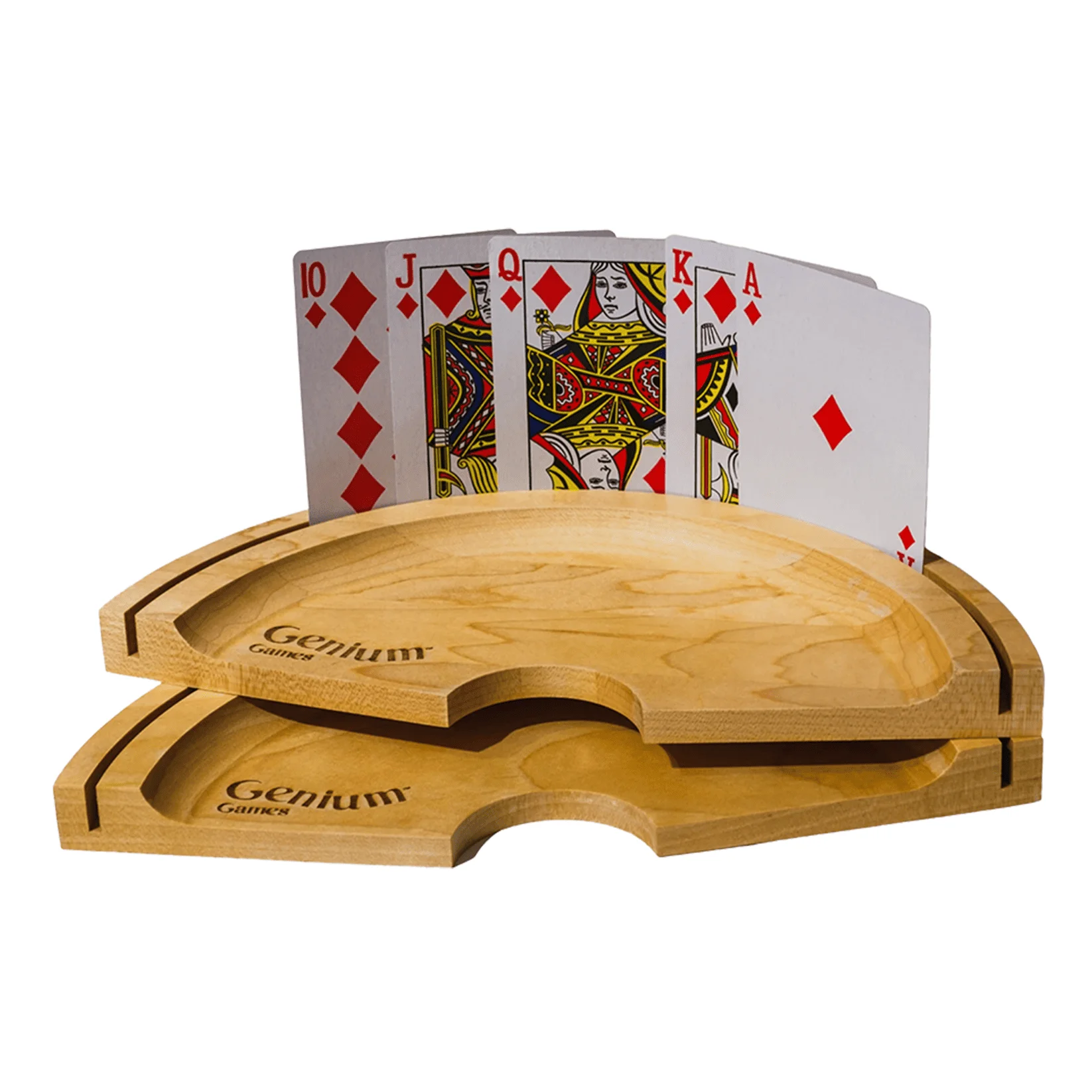
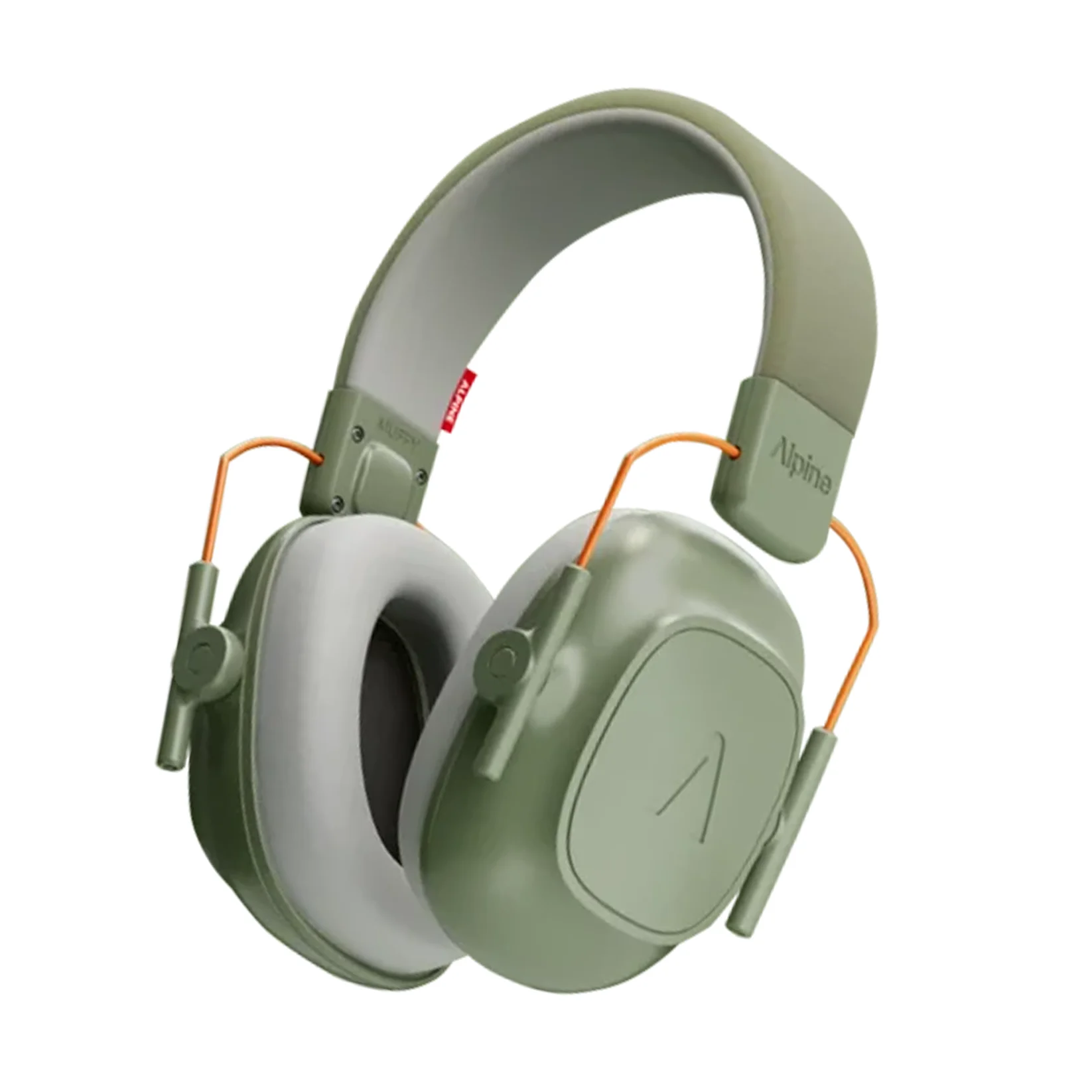
Accessories

Learn how to play Dixit

Shop
Find where to buy Dixit